Will Ai replace digital marketers ?
Will AI Replace Digital Marketers? The Truth Every Business Owner Should Know
Here is additional professional, SEO-friendly content you can add to your existing blog. These sections expand the topic with practical examples, business insights, and future career opportunities.
How AI Is Transforming SEO and Content Marketing
Search Engine Optimization (SEO) is one of the most important areas of digital marketing, and AI is changing how marketers approach it. Traditional SEO involves keyword research, content planning, technical optimization, link building, and performance tracking. AI tools can support many of these activities by analyzing information and suggesting improvements.
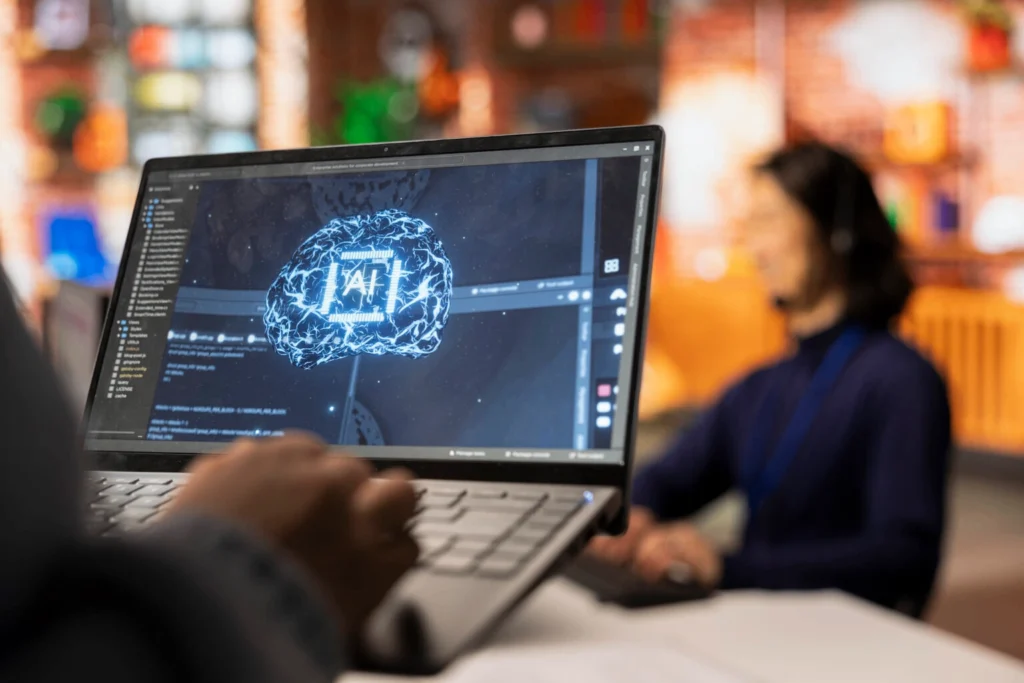
AI-Powered Keyword Research
AI can help marketers discover relevant keywords, understand search intent, and identify content opportunities. For example, a business selling digital marketing services in Malappuram might target keywords such as:
Best Freelance Digital Marketer in Malappuram
Digital Marketing Services in Kerala
SEO Services for Small Businesses
Social Media Marketing for Local Brands
However, selecting the right keywords requires more than generating a list. Marketers must understand the target audience, competition, business goals, and whether the keywords can attract potential customers.
Content Quality and Search Intent
AI can create blog outlines and draft articles quickly, but quality content requires human review. A professional marketer ensures that content answers the reader’s questions, provides useful information, and reflects the brand’s expertise.
Search engines aim to provide helpful results. Therefore, businesses should focus on original, accurate, and valuable content rather than producing large amounts of automatically generated text without meaningful editing.
Technical SEO and Website Optimization
AI can assist with identifying technical issues such as broken links, missing metadata, and website performance problems. Digital marketers still need to interpret these findings and coordinate appropriate improvements.
A website’s success depends on more than rankings. It should also offer a smooth user experience, clear navigation, mobile responsiveness, and strong conversion opportunities.
Will AI Replace Digital Marketers? Understanding the Rise of AI
Social media marketing is another area where AI is becoming increasingly useful. Businesses use platforms such as Instagram, Facebook, LinkedIn, and YouTube to build awareness, connect with customers, and promote their products or services.
AI can assist with:
Generating content ideas.
Drafting captions and post descriptions.
Suggesting content calendars.
Analyzing audience engagement.
Identifying content trends.
Supporting advertising optimization.
Despite these advantages, social media success depends heavily on human creativity and audience understanding.
The Importance of Authentic Communication
Customers want to interact with brands that feel genuine. A local restaurant, fashion brand, or service provider needs content that reflects its personality and community.
For example, a business in Malappuram may use Malayalam, English, or a combination of both depending on its audience. A marketer who understands local culture and customer preferences can create more relevant communication than relying entirely on generic AI-generated captions.
AI can suggest a caption, but the marketer decides whether it sounds natural, matches the brand, and communicates the intended message.
Managing Social Media Reputation
Businesses may receive negative comments, complaints, or unexpected feedback. Responding appropriately requires judgment and communication skills.
AI can help summarize customer feedback or suggest possible responses. However, sensitive situations often require a human decision-maker who understands the business and its customers.
This is one reason why human expertise remains important in social media marketing.
Can AI Replace Graphic Designers and Creative Marketers?
AI-powered design tools have made it easier to create images, advertisements, presentations, and visual content.
Businesses can now generate design ideas and produce basic creative materials more quickly.
However, graphic design is not simply about creating attractive images.
Professional designers consider:
Brand identity and visual consistency.
Typography and color selection.
Layout and composition.
Audience expectations.
Marketing objectives.
Message clarity.
Platform-specific design requirements.
AI as a Creative Assistant
AI can help designers explore different concepts, generate inspiration, and speed up repetitive tasks. A human designer can then refine the design to match the brand’s identity.
For example, a business launching a new product may need a social media poster, website banner, promotional video, and advertising creative. AI can assist with initial concepts, but a designer ensures that the final materials are consistent and suitable for the campaign.
The future of design is likely to involve greater collaboration between creative professionals and AI tools.
AI and E-Commerce Marketing: What Businesses Should Know
E-commerce businesses use digital marketing to attract visitors, encourage purchases, and build long-term customer relationships. AI can support several stages of the customer journey.
Product Recommendations
AI systems can analyze customer behavior and suggest products that may be relevant to individual shoppers. This can help businesses create more personalized shopping experiences.
Customer Support
AI chatbots can answer common questions about products, delivery, and store policies. Human support remains important when customers have complex concerns or require personal assistance.
Conversion Rate Optimization
AI can help identify patterns in website activity and suggest improvements to landing pages, product descriptions, or customer journeys. Marketers use these insights to test changes and evaluate whether they improve business results.
A successful e-commerce strategy still requires product positioning, pricing decisions, customer trust, and a clear understanding of the target audience.
Why Small Businesses Should Not Depend Entirely on AI
AI tools can be valuable for small businesses with limited budgets. They help business owners save time and handle certain marketing tasks more efficiently.
However, depending entirely on AI can create challenges.
Lack of Brand Personality
Automatically generated content may sound similar to content produced for other businesses. A strong brand needs a recognizable voice and clear identity.
Incorrect or Outdated Information
AI-generated content can contain mistakes. Businesses should verify important information, especially pricing, product specifications, legal claims, and customer-facing details.
Weak Marketing Strategy
Producing posts and advertisements does not guarantee business growth. Marketing activities must support specific objectives such as generating leads, increasing sales, or improving customer retention.
Limited Understanding of Local Customers
Local businesses need strategies that reflect their community, customer preferences, and market conditions. Human marketers can provide valuable context that generic AI tools may not understand.
The best approach is to use AI for assistance while maintaining human oversight and strategic direction.
How Businesses Can Prepare for the AI-Powered Marketing Future
Businesses that want to remain competitive should adopt AI thoughtfully. Instead of asking whether AI can perform a particular task, business owners should consider how technology can improve their overall marketing process.
1. Identify Repetitive Tasks
Start by identifying activities that consume time without requiring significant creative judgment. These may include basic reporting, content formatting, or organizing marketing information.
2. Choose Suitable AI Tools
Different tools serve different purposes. Some support content creation, while others assist with analytics, customer support, design, or advertising.
Businesses should select tools based on their actual requirements, budget, and workflow.
3. Maintain Human Quality Control
Every important customer-facing message should be reviewed for accuracy, tone, and relevance. Human oversight helps protect brand reputation and customer trust.
4. Measure Real Business Results
Marketing performance should be evaluated using meaningful metrics such as qualified leads, conversion rates, customer acquisition costs, and return on investment.
A high number of views or impressions does not automatically mean a campaign is successful.
5. Continue Learning
AI technology is developing rapidly. Marketers and business owners should continue learning about new tools, changing customer behavior, and evolving marketing strategies.
Businesses that combine technology with continuous learning can adapt more effectively to future changes.
A high number of views or impressions does not automatically mean a campaign is successful.
What Skills Will Future Digital Marketers Need?
As AI takes over more repetitive tasks, digital marketers will need to develop a broader range of skills.
AI Literacy
Marketers should understand how AI tools work, what they can do, and where their limitations lie. They should also learn how to review AI-generated content and identify potential errors.
Data Analysis
The ability to interpret marketing data will remain valuable. Marketers need to understand campaign performance and make decisions based on reliable information.
Creative Thinking
Creative ideas, compelling storytelling, and original campaign concepts will continue to distinguish successful marketing.
Communication Skills
Marketers must communicate clearly with customers, business owners, designers, and other team members.
Strategic Planning
Understanding business objectives and creating practical marketing plans will remain essential, even as automation increases.
Ethical Marketing
Marketers should use customer data responsibly, respect privacy, and avoid misleading advertising practices.
These skills can help digital marketers remain valuable in an AI-driven industry.
Will AI Create More Digital Marketing Jobs?
AI is expected to change the types of tasks marketers perform and may create demand for professionals who can combine marketing knowledge with technology skills.
Potential areas of opportunity include:
AI-assisted SEO.
Marketing automation.
Performance marketing.
Content strategy.
Social media management.
E-commerce marketing.
Conversion optimization.
Marketing analytics.
However, AI does not guarantee that every marketing job will grow or remain unchanged. Some repetitive tasks may require fewer human hours, and employers may expect marketers to manage more responsibilities.
The strongest career approach is to develop practical marketing skills while learning how to use AI responsibly and effectively.
Frequently Asked Questions
Will AI Replace Digital Marketers Completely?
AI is unlikely to eliminate the need for all digital marketers. It can automate many tasks, but strategy, creativity, communication, and business decision-making still require human expertise.
Is AI Useful for Freelance Digital Marketers?
Yes. Freelancers can use AI to support research, content planning, reporting, and other tasks. This can help them manage projects more efficiently while focusing on client goals and marketing strategy.
Can AI Create a Complete Digital Marketing Strategy?
AI can suggest strategies and provide useful ideas, but a complete marketing plan requires business knowledge, audience research, budget decisions, implementation, and performance evaluation.
Should Businesses Hire a Digital Marketer If They Already Use AI Tools?
Yes, when they need professional strategy, campaign management, creative direction, SEO expertise, or measurable business results. AI tools and marketing professionals can work together.
How Can Students Prepare for AI-Driven Digital Marketing Careers?
Students can learn SEO, social media marketing, content creation, analytics, advertising, and basic design. They should also practice using AI tools and build a portfolio of real or sample marketing projects.
The Difference Between AI Automation and Human Marketing
AI automation and human marketing are two different aspects of the digital marketing process. Automation focuses on completing repetitive tasks efficiently, while human marketing focuses on understanding people, developing strategies, and creating meaningful connections.
For example, an AI tool can generate an email draft for a business promotion. However, a digital marketer must decide who should receive the email, what offer is relevant, how the message should be written, and how success will be measured.
This difference is important because marketing is not just about completing tasks. It is about achieving business objectives through effective communication and customer engagement.
Tasks AI Can Automate
AI can assist with activities such as:
-
Generating initial content drafts.
-
Organizing marketing data.
-
Preparing basic performance reports.
-
Suggesting advertising audiences.
-
Supporting customer service.
Identifying patterns in campaign results.
Tasks That Require Human Direction
Human marketers remain important for:
Setting business goals.
Understanding customer motivations.
Developing brand positioning.
Creating original campaign concepts.
Making strategic decisions.
Managing client relationships.
Evaluating marketing risks.
The most effective workflow combines both capabilities. AI supports execution, while marketers provide direction and accountability.
How AI Can Improve Customer Experience
Customer experience plays an important role in business growth. Customers expect quick responses, useful information, and convenient communication across digital platforms.
AI can help businesses improve customer experience through personalized recommendations, automated responses, and customer behavior analysis.
For instance, an e-commerce website may use AI to suggest products based on browsing activity. A chatbot may answer frequently asked questions about delivery or store timings.
However, technology should support customer satisfaction rather than replace human care. When customers face complex problems, they may need a real person who can understand their concerns and provide an appropriate solution.
Digital marketers help businesses create customer journeys that balance automation with personal communication.
The Role of AI in Performance Marketing
Performance marketing focuses on measurable business outcomes, including leads, sales, conversions, and customer acquisition.
AI-powered advertising platforms can analyze campaign data and make automated adjustments. These systems may assist with audience targeting, bidding, and delivery optimization.
Nevertheless, marketers must establish the campaign’s objectives and evaluate whether the results support the business.
For example, a campaign that generates thousands of clicks may appear successful. However, if those visitors do not become customers, the business may need to reconsider its targeting, landing page, offer, or messaging.
A professional digital marketer looks beyond surface-level metrics and focuses on meaningful business performance.
Why Human Decision-Making Matters in Marketing
Marketing decisions often involve uncertainty. A business may need to choose between launching a new product, increasing its advertising budget, changing its pricing, or targeting a different audience.
AI can provide insights and possible recommendations, but business owners and marketers must consider factors such as:
Available budget.
Business reputation.
Customer expectations.
Competitor activity.
Market conditions.
Long-term business objectives.
Human decision-making is particularly important when the available data is incomplete or when a decision could affect customer trust.
This is why AI should be treated as a decision-support tool rather than an independent replacement for professional judgment.
AI, Privacy, and Ethical Digital Marketing
As AI becomes more common in marketing, businesses must pay attention to privacy and responsible data usage.
Marketing platforms may process information about customer interactions, preferences, and online behavior. Businesses should use data responsibly and follow applicable privacy requirements.
Ethical marketing includes:
Being transparent about advertising.
Avoiding misleading claims.
Protecting customer information.
Reviewing AI-generated content for accuracy.
Respecting customer preferences.
Avoiding discriminatory targeting practices.
Digital marketers have an important responsibility to ensure that technology is used in a way that supports customer trust.
A successful marketing strategy should not focus only on short-term results. It should also protect the reputation and credibility of the business.
How Freelance Digital Marketers Can Use AI Effectively
Freelance digital marketers often manage multiple responsibilities, including client communication, content creation, SEO, social media management, and campaign reporting.
AI can help freelancers organize their workflows and spend more time on strategic work.
For example, a freelance marketer working with a local business may use AI to generate initial content ideas, organize keyword research, and summarize campaign data. The marketer can then refine the content, review the strategy, and communicate the results to the client.
This approach helps freelancers deliver more efficient services while maintaining quality and professional standards.
For businesses looking for the Best Freelance Digital Marketer in Malappuram, choosing someone who understands AI-assisted workflows alongside traditional marketing skills can be valuable.
What Business Owners Should Look for When Hiring a Digital Marketer
AI tools are widely available, but the question “Will AI Replace Digital Marketers?” should not be the only concern for business owners. Choosing the right marketing professional requires more than checking whether someone uses AI.
Business owners should consider the following qualities:
Practical Marketing Knowledge
A digital marketer should understand SEO, social media marketing, content strategy, online advertising, and conversion optimization. These skills help businesses create effective campaigns and reach the right audience.
Portfolio and Experience
Reviewing previous projects can help businesses understand a marketer’s skills, creativity, and working style. A strong portfolio can also show how the marketer has helped other businesses improve their online presence.
Communication
Clear communication is essential for successful marketing. A professional should understand the business goals, budget, target audience, and expectations before creating a campaign.
Analytical Thinking
A digital marketer should be able to analyse campaign performance and explain the results clearly. Data-driven decisions help businesses identify what is working and what needs improvement.
Adaptability
The digital marketing industry changes regularly. Search engine algorithms, advertising platforms, and customer behaviour continue to evolve. A marketer who keeps learning can help businesses respond to these changes.
Understanding of AI
AI knowledge is useful, but it should support the overall marketing strategy rather than become the only focus. When discussing “Will AI Replace Digital Marketers?”, business owners should understand that AI is a tool, while the marketer is responsible for strategy, creativity, and decision-making.
The Long-Term Value of Human Creativity in Marketing
The discussion around “Will AI Replace Digital Marketers?” also highlights the long-term value of human creativity. Technology can generate content quickly, but originality, emotional connection, and meaningful storytelling remain important.
A successful marketing campaign often begins with a human understanding of a customer’s problem. What does the customer need? What makes the product useful? Why should someone trust the business?
These questions help create campaigns that connect with the target audience. AI can support brainstorming and content development, but marketers bring their own experiences, observations, creativity, and professional judgment to the process.
Human creativity is especially important when developing brand identity, writing persuasive messages, creating unique visuals, and understanding cultural or local customer preferences.
In the long term, businesses that invest in strong brand identity and authentic communication may be better positioned to build lasting customer relationships. This shows why Will AI Replace Digital Marketers? is not simply a question about technology, but also about the importance of human creativity in business growth.
The Future Belongs to AI-Assisted Marketers
The question “Will AI Replace Digital Marketers?” is ultimately a discussion about how technology is changing professional work. AI will continue to influence SEO, content marketing, advertising, graphic design, e-commerce, and customer communication.
Some repetitive tasks may become faster and more automated, while new responsibilities and opportunities may emerge. Digital marketers who develop both technical skills and human-centred abilities can adapt to these changes more effectively.
The future of marketing is not necessarily a competition between humans and machines. It is an opportunity to combine technology with creativity, strategy, communication, and customer understanding.
Businesses should focus on using AI responsibly, measuring meaningful results, protecting brand identity, and working with professionals who can turn technology into practical marketing solutions.
A strong digital marketer is not simply someone who knows how to use AI. A strong digital marketer knows when to use AI, how to evaluate its output, and how to turn its capabilities into real business value.
Conclusion
So, Will AI Replace Digital Marketers? AI may replace certain repetitive marketing tasks, but it is unlikely to completely replace skilled digital marketers. Human creativity, strategic thinking, emotional intelligence, communication, and customer understanding will continue to be important.
The most successful marketers in the future will be those who combine digital marketing knowledge with AI tools. AI will not simply replace marketers; it will help capable professionals work more efficiently and deliver better results for businesses.